

Honda power unit cooling failure ended Aston Martin race after five laps
Both Aston Martin cars retired at Autodromo Hermanos Rodriguez due to ERS cooling stress at high altitude.
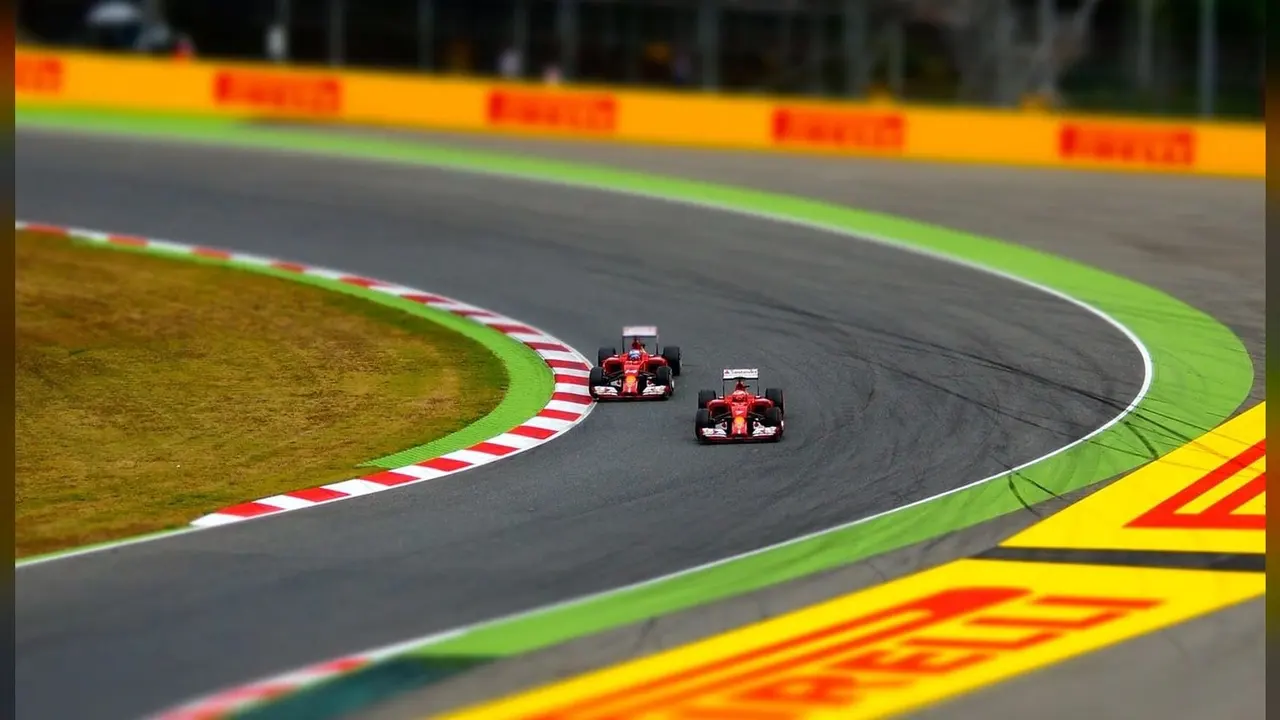
Honda’s power unit lasted only five laps in the Mexico Grand Prix after cooling issues forced both Aston Martin cars to retire. Shintaro Orihara said the ERS cooling circuit faced heavier stress than expected in Mexico City’s thin air.
Key takeaways
- Both Aston Martin cars retired after five laps in the race.
- Alonso was 0.769 seconds behind Charles Leclerc in FP2.
- The AMR26 cars covered 144 laps across all three practice sessions.
- Both drivers were eliminated in Q1, four tenths down on the Q2 cut-off.
- Honda will work on solutions and bring data back to the circuit next year.
Both Aston Martin cars retired after five laps in the Mexico Grand Prix because of cooling issues with Honda’s power unit. Autosport reported that Lance Stroll and Fernando Alonso were out early at Autodromo Hermanos Rodriguez in Mexico City.
The race was the nineteenth round of the 2026 Formula One World Championship, held on 1 November 2026. Honda has been active as a Formula One engine manufacturer since 2015 and currently produces power units for Aston Martin.
Practice and qualifying
769 seconds down on pacesetter Charles Leclerc in FP2, with the AMR26s covering 144 laps across all three sessions. Honda fixed some driveability and turbo lag issues between FP3 and qualifying.
Alonso encountered abnormal signals on the water systems on Saturday afternoon but still outqualified Lance Stroll. Both cars were out in Q1, four tenths down on the Q2 cut-off time.
Race retirements and Honda’s explanation
In the race, the pair retired after five laps due to cooling issues. Honda’s trackside general manager and chief engineer Shintaro Orihara had described Autodromo Hermanos Rodriguez as a very challenging track for the power unit in the Mexico Grand Prix preview.
Following the race, Orihara said the team knew the high-altitude circumstance of Mexico City would bring additional cooling challenges compared to other racetracks. However, the ERS cooling circuit was under heavier stress than anticipated, which is why the cars had to stop in different sessions.
Orihara pointed out that in previous years the MGU-H supported the turbo, reducing lag, but the new, simpler power units no longer feature that device, and that too was a problem with the thinner air at Mexico City’s high altitude.
Driver reaction and next steps
Alonso said the car was very good but the problem was that the team could not do more laps than a certain number with the engine. He hoped they had learned a lesson and would come back next year more prepared.
Stroll gave laconic answers to the media at the end of the weekend. Orihara said that at each race this year the team needs to learn for 2027, even the hard lessons.
Honda has a lot of data to bring back to the circuit next year, including on turbo lag, and will work on the solutions.
Related on Apex Sports News
Sources
Topics
Spotted an error? Read our corrections policy or use the flag button above. Our editorial standards explain how we report.


Discussion
Sign in or create a free account to join the discussion. Please follow our community guidelines.