

F1 bosses close to V8 engines deal from 2030
Formula 1 manufacturers have agreed in principle to switch to turbocharged V8 hybrid engines from the 2030 season.
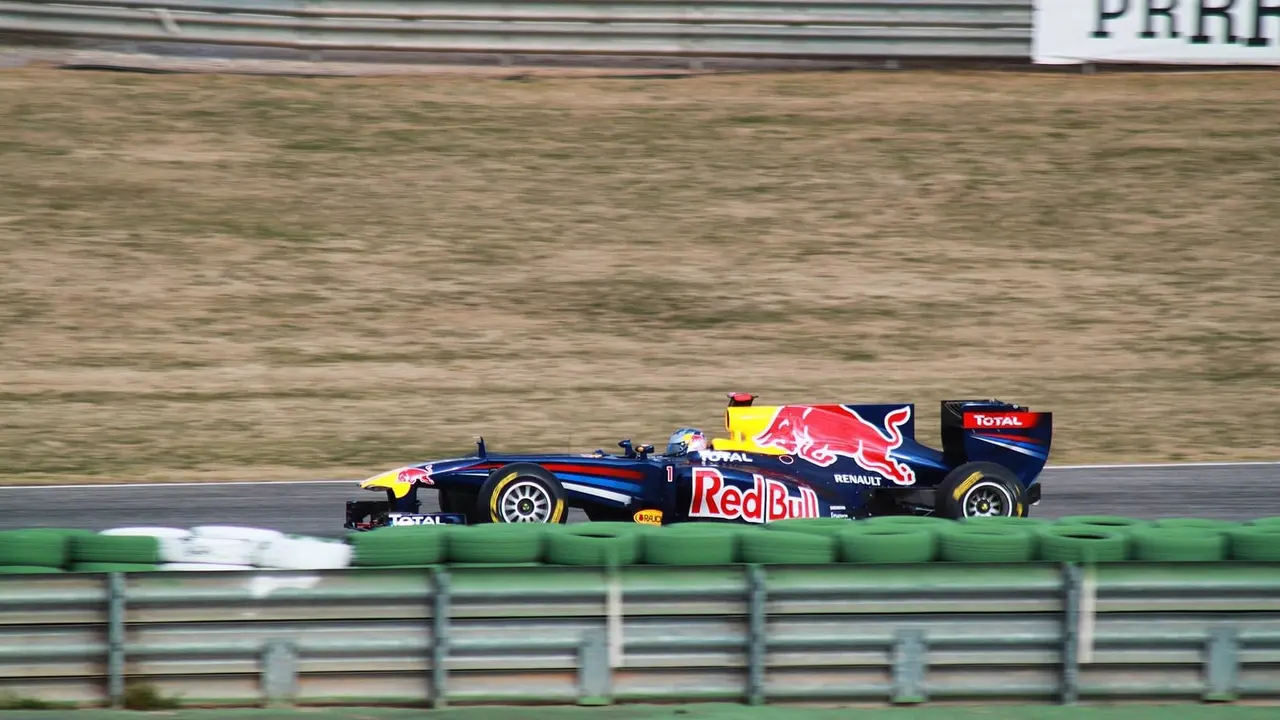
The FIA said all power-unit manufacturers have committed to a 2.1-litre V8 turbo engine with reduced hybrid power from 2030. The plan still needs World Motor Sport Council approval.
Key takeaways
- FIA announced unanimous agreement among engine manufacturers on Friday
- New engine will be a 2.1-litre turbocharged V8 with 200kW electrical element
- Current hybrid power is 350kW; total output will be just over 900bhp in standard running
- Sustainable fuels first used this year will continue under the new rules
- Definitive regulatory framework goes to World Motor Sport Council in Shanghai next month
Formula 1 bosses have reached a deal that means V8 turbo hybrid engines will replace the current units in 2030. 1-litre V8 turbo engine with a smaller electrical element than this year.
Plans for this specific engine, and its associated turbo and hybrid architecture, were first revealed by BBC Sport last month. Some details remain to be resolved but the core of the rules has been agreed.
Engine specifications
The FIA said the use of advanced sustainable fuels, which were first used this year, would continue and the engine would be designed to be lighter, simpler, and more cost-effective than ever.
The electrical element will be for a maximum power output of 200kW, compared with 350kW this year. But only half of that will be available at all times, with the remaining half used for an overtake mode.
A key element of the rules will be to remove the issue of energy starvation that has been criticised by the drivers this year for taking away pure racing. The overall power output of the engines will be similar to now.
The combustion engine will have about 780bhp, while 200kW is 270bhp. That means a total power output of 1,050bhp in overtake mode or just over 900bhp in standard running.
Context and rationale
Formula One has used various engine regulations since its inception in 1947. The hybrid era began in 2014, and V8 engines were last used in 2013.
The rationale behind the move is to make the engines simpler, cheaper, and louder, while helping reduce overall car weight and retaining a small amount of hybrid battery power.
The overriding objective is to deliver a power unit which is a lot less complex, lighter and cheaper than the current engines. It will feature limited hybridisation, relevant and sustainable technology with the aim of enhancing attack-oriented racing and a sound which resonates with fans.
Additionally, the plan is to marry the V8 power unit to a chassis which will also be lighter, more agile and placing greater emphasis on driver skill and close racing.
Reaction
FIA president Mohammed Ben Sulayem said: This agreement marks a significant milestone in shaping the future of Formula 1.
From the outset I have been clear in my ambition to deliver a sport that is more competitive and more exciting for our fans, while remaining at the forefront of innovation and sustainability.
The return of V8 engines represents an opportunity to reconnect with the DNA of this championship, bringing back the sound, emotion and pure racing that is loved worldwide.
Our vision is clear, lighter, simpler and more affordable cars that put driver skill at the heart of the competition. I want to thank all involved for their collaboration.
This is an important step forward, and demonstrates what we can achieve when we work together to deliver the best possible future for our sport. McLaren Racing chief executive officer Zak Brown said: Everyone is very, very excited.
I think everyone will be, for the power units. But there is a lot more also going on to continue to evolve the sport. So, between the FIA and Formula 1, they are doing a great job.
What happens next
Although further details on the more specific elements of the regulations still require discussion by F1 Power Unit Advisory Committee, the FIA said the next step will be to present a definitive regulatory framework to the World Motor Sport Council at its next meeting in Shanghai next month. The WMSC must rubber-stamp any F1 regulatory changes.
Engine comparison between current rules and proposed 2030 rules
Feature | Current year | Proposed 2030 |
|---|---|---|
Engine type | V6 turbo | V8 turbo |
Engine capacity | Not specified | 2.1-litre |
Electrical power | 350kW | 200kW |
Standard power output | Not specified | Just over 900bhp |
Overtake mode power | Not specified | 1,050bhp |
Sustainable fuels | Used this year | Continue |
Related on Apex Sports News
Sources
Spotted an error? Read our corrections policy or use the flag button above. Our editorial standards explain how we report.


Discussion
Sign in or create a free account to join the discussion. Please follow our community guidelines.